
Essential Elements of a Valid Will & How to Avoid Challenges to Validity
Nov. 5, 2026
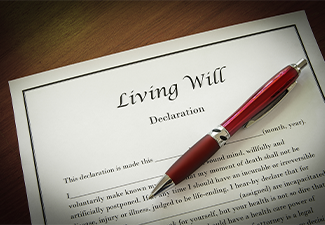 A valid will is more than a written statement of who will receive your property after you pass away. To hold up in probate court, it must meet specific legal requirements and reflect your true intent. In New Jersey and Pennsylvania, the essential elements usually include legal capacity, clear testamentary intent, proper execution, and freedom from undue influence or fraud. If any of those elements are missing, someone could challenge the validity of your will.
At James P. Manahan, with offices in Lawrenceville, New Jersey, and Newtown, Pennsylvania, I guide clients to avoid these problems by helping them carefully draft wills, document their intentions, and adhere to the formalities the courts expect. Contact my firm to schedule a free consultation.
Why Validity Matters More Than Many People Realize
Many people assume that writing down their wishes and signing the document is enough. Unfortunately, that is not always true. A will can be challenged for several reasons, and even a well-meaning mistake can result in expensive litigation, delays, and family conflict. If your will is found to be invalid, your estate may be divided according to the provisions outlined in an earlier will or by your state’s intestacy laws
In these cases, how your estate is divided may not align with your wishes or intentions. Therefore, it’s essential to take steps to make sure your will is valid from the start, not after a dispute arises. A properly prepared will helps protect your loved ones, preserves your choices, and reduces the chance that someone will question its validity.
The Essential Elements of a Valid Will
A valid will is necessary to make sure your estate is divided according to your wishes. When drafting your will, you must meet several requirements to ensure its validity. Although every situation is unique, the following requirements generally apply.
Testamentary Capacity
The person making the will, called the testator, must have the mental capacity to do so. This means you must be objectively aware that you are making a will, know the general extent of your assets, and recognize your close family members or other expected beneficiaries.
Capacity does not require perfect memory or ideal health. However, testamentary capacity may be disputed if the testator has dementia, serious cognitive decline, or periods of confusion.
Testamentary Intent
A valid will must show that you intended the document to control how your property is distributed after you pass away. Notes, drafts, or casual statements of preference generally are not enough.
The document should clearly state that it is a Last Will and Testament and identify how your property will be distributed. Ambiguity can invite conflict. If a provision is unclear, your family members may disagree over what you really meant. Clear drafting is one of the best ways to avoid that problem.
Proper Execution
In New Jersey, a will must be in writing, signed by the testator, and signed by at least two witnesses who watched you sign the document. In Pennsylvania, a will must also be in writing and signed by the testator. Pennsylvania law does not require witnesses, but it strongly recommends them.
Even if your will might still be accepted under certain circumstances, complying with your state’s execution formalities is the safest course. Don’t treat signing as a casual event. A supervised ceremony with appropriate witnesses can provide strong evidence that you drafted and executed your will properly.
Freedom From Undue Influence, Fraud, or Duress
Your will must reflect your own voluntary choices. If someone pressured, manipulated, deceived, or coerced you into signing, someone may be able to challenge your will. Undue influence claims often arise when a vulnerable testator changes their estate plan in favor of a caregiver, relative, or other person in a position of trust. These claims can be stressful, and the best protection is to create your will in a way that shows independence and informed decision-making.
Common Grounds for Will Contests
Understanding why wills are challenged can help you prevent family and beneficiary disputes before they begin. Some common arguments include the following:
The testator lacked mental capacity.
The will was not properly signed or witnessed.
The testator was subjected to undue influence.
The document was procured through fraud.
The will was revoked or replaced by a later document.
The terms are ambiguous or inconsistent.
The chance of a contest may be higher in cases with blended families, second marriages, estranged relationships, and unequal gifts among children. Therefore, it’s important to draft a comprehensive estate plan that clearly outlines your wishes and intentions to minimize the chance of contention.
How to Avoid Challenges to Validity
When drafting a will, take time to understand your family relationships, assets, goals, and reasons for your planned distributions. At James P. Manahan, I can help you understand the decisions you need to make and establish the documentation you need to reduce the risk of a contest.
Use clear, precise language: Vague language can create unnecessary disputes. Draft your will to address your beneficiaries, fiduciaries, alternate distributions, and administrative powers as clearly as possible. A carefully written will leaves less room for conflicting interpretations.
Follow the proper signing procedures: Execution errors are avoidable if you follow the right process. Make sure your will is properly signed and witnessed according to the provisions under New Jersey or Pennsylvania law, so it's easier to defend if anyone questions it.
Update your will after a significant life change: A valid will should also be current, so you should update your documents after any major life event, such as marriage, divorce, births, deaths, relocation, major financial changes, or a breakdown in family relationships. Outdated documents can cause confusion and result in litigation, even if they were valid when you first signed them.
Contact an Experienced Estate Planning Attorney in New Jersey
When drafting an estate plan, be clear and straightforward about your intentions, and follow your state's regulations to properly execute your will. This can help reduce the chances of your will being contested or its validity questioned.
At James P. Manahan, I help individuals and families create wills and estate plans designed to reflect their wishes and reduce the risk of future disputes. With offices in Lawrenceville, New Jersey, and Newtown, Pennsylvania, I serve clients throughout Trenton, Pennington, Ewing Township, East Brunswick, West Freehold, Mercer County, Burlington County, Middlesex County, and Monmouth County. Contact me today to schedule a free consultation.